


When preparing for competitive exams like IBPS PO, SBI PO, RBI Grade B, LIC AAO, SSC CGL, and other government exams, understanding recent economic reforms is as important as learning quantitative aptitude or reasoning. One of the most significant reforms in India’s economic history is the Goods and Services Tax (GST). It is most frequently asked in the exams, and after the new reforms in GST, it has become the most expected topic for the upcoming exams. In this blog, we have covered New GST Rates 2025 in India, GST 2.0 Reform Bill Explanation in detail.
Introduction to GST in India and Why it is Important for Bank Exams?
GST, first introduced on 1st July 2017, aimed to unify India’s complex tax system by merging multiple central and state taxes into one. It created a “One Nation, One Tax” system and has since become the backbone of India’s indirect taxation. Over the years, GST has evolved through rate rationalisation and digitalisation.

Now, in September 2025, India has taken the next big step with GST 2.0, also called the Next-Generation GST Reform. This reform focuses on making GST simpler, fairer, and more beneficial for both the common man and businesses.
For aspirants, GST 2.0 is extremely important because it will be:
- A direct current affairs topic in upcoming exams.
- A possible essay or descriptive answer theme.
- An interview discussion point for roles in banking and insurance.
For aspirants, GST 2.0 is not just a current affairs topic, it is also a concept that can be asked in exams, descriptive papers, or interviews. Let’s break down GST 2.0 in the simplest way possible.

What is GST? – Understand Basic Concept
Before jumping into GST 2.0, aspirants must clearly understand the basic concept of GST. GST is an indirect tax applied on the supply of goods and services across India. It unified multiple state and central taxes into one system, reducing confusion and creating a common national market. GST stands for Goods and Services Tax. Before GST, India had multiple indirect taxes such as:
- VAT (Value Added Tax) by States
- Service Tax by Centre
- Excise Duty on manufacturing
- Entry Tax, Octroi, Entertainment Tax, etc.
This created problems like:
- Tax on Tax (Cascading Effect): Example – Excise duty on a product, then VAT on top of it.
- Different Rules in Each State: Complex compliance for businesses.
- High Prices for Consumers: Because multiple taxes kept increasing the final cost.
To solve these, GST was introduced.
How GST works in simple words:
- A consumer pays GST on goods/services.
- The business collects GST and deposits it with the government.
- Businesses also get input tax credit, meaning they can deduct the GST already paid on inputs.
Thus, GST ensures transparency, simplicity, and uniformity.
Why was GST 2.0 Needed in India?
Even though GST was a big success, it had challenges:
- Too many slabs (0%, 5%, 12%, 18%, 28%) confused businesses.
- High tax on essentials like cement, auto parts, and consumer goods.
- MSMEs faced compliance pressure due to frequent return filings.
- Healthcare & education costs were still high.
- Inverted duty structure (when inputs were taxed higher than finished goods) hurt domestic manufacturing.
Therefore, GST Council decided to reform GST into a simpler, two-slab structure with targeted relief for consumers, farmers, and businesses.
Key Features of GST 2.0 – Know GST New Rates
GST 2.0 is designed to make the system simpler and fairer. It focuses on lowering household expenses, boosting agriculture and MSMEs, and supporting industries with more logical tax structures. GST 2.0 is being called “Relief for Common Man, Boost for Business”.
Below mentioned are the major changes in GST Rates:
1. Simplified Two-Slab Structure
- Earlier: 5%, 12%, 18%, 28%
- Now: Only 5% and 18%
- Luxury/Sin goods: 40%
This means most items will now fall under either 5% (essentials) or 18% (standard goods/services).
2. Relief for Households
- Essential food items like Indian breads, paneer, UHT milk → 0%
- Daily-use goods like toothpaste, soaps, shampoos, tableware, bicycles → 5%
- Consumer durables like ACs, TVs (>32”), dishwashers → 18% (from 28%)
This directly reduces monthly household expenses.
3. Cheaper Housing and Construction
- Cement: 28% → 18%
- Marble, granite, bamboo flooring, bricks: 12% → 5%
Lower construction costs → Affordable housing → More demand in real estate → Job creation.
4. Boost to Automobile Sector
- Small cars & two-wheelers (≤350cc): 28% → 18%
- Trucks, buses, three-wheelers, auto parts: 28% → 18%
This makes vehicles more affordable and boosts auto manufacturing & exports.
5. Big Support to Farmers and Agriculture
- Tractors: 12% → 5%
- Harvesters, threshers, irrigation equipment: 12% → 5%
- Bio-pesticides & natural menthol: 12% → 5%
Farming becomes cheaper, encouraging sustainable practices.
6. Affordable Education
- Exercise books, pencils, erasers, crayons: 0%
- Geometry boxes, trays, school cartons: 12% → 5%
This supports students and reduces learning costs.
7. Healthcare Relief
- 33 life-saving drugs, diagnostic kits: 12% → 0%
- Other medicines (Ayurveda, Homoeopathy, etc.): 12% → 5%
- Medical devices (spectacles, thermometers, surgical instruments): 18% → 5%
- Health & life insurance premiums: GST Exempt
Families save money on healthcare and insurance.
8. Service Sector Boost
- Hotels (up to ₹7,500/day): 12% → 5%
- Gyms, salons, barbers, yoga services: 18% → 5%
This makes hospitality and wellness services more affordable.
9. Support for MSMEs & Startups
- Easier registration and return filing.
- Faster refunds → Improved cash flow.
- Lower tax on inputs like cement, auto parts, and handicrafts.
Sector-Wise Impact of GST 2.0 in India (New GST Reforms)
GST 2.0 has a greater impact on each sector including food and household items, infrastructure, automobile, agriculture, service sector, education, healthcare & insurance, MSMEs and Handicrafts.
1. Food & Household Items
Every household spends a large part of its income on food and daily essentials. With GST 2.0, these items have become cheaper, helping families save more and reducing inflationary pressure.
Impact: Direct savings for middle-class families.
- NIL rates on Indian breads, paneer, milk.
- 5% on soaps, shampoos, toothpaste.
- 18% on TVs & ACs (earlier 28%).
Exam Relevance: Shows government’s focus on inflation control and affordability.
2. Housing & Infrastructure
The real estate and construction sector is one of the biggest job creators in India. High tax on cement and building materials had increased housing costs. GST 2.0 reduces these rates to encourage affordable housing and boost infrastructure growth.
Impact: Cement and construction material are cheaper.
- Lower cost of homes and infrastructure → More demand → More jobs.
Exam Relevance: Boost to real estate, employment, and GDP growth.
3. Automobiles
India’s automobile sector supports lakhs of jobs and contributes significantly to exports. Earlier, cars and auto parts were taxed at very high rates, making them expensive. GST 2.0 makes vehicles more affordable, boosting both sales and manufacturing.
Impact: Lower prices for vehicles = Increased sales.
- Two-wheelers & small cars are now more affordable for the middle-class.
- Export competitiveness improves.
Exam Relevance: Good example for Make in India & Atmanirbhar Bharat.
4. Agriculture
Agriculture is the backbone of India’s economy, and GST 2.0 focuses on reducing farming costs. By cutting rates on machinery, pesticides, and irrigation equipment, farmers can now adopt modern practices more affordably.
Impact: Reduced farming costs → More income for farmers.
- Encourages sustainable farming with bio-pesticides.
- Corrected duty structure → Boosts domestic fertilizer production.
Exam Relevance: Helps in Doubling Farmers’ Income vision.
5. Services Sector
Services like hotels, gyms, and salons were earlier taxed at 12–18%, making them costly for common people. GST 2.0 reduces these rates, improving accessibility and giving a push to the service economy.
Impact: Cheaper hotel stays, gyms, and salons = Tourism & wellness industry growth.
Exam Relevance: Helps in service sector growth & employment.
6. Education
Education is a priority sector that directly impacts families and future growth. GST 2.0 ensures school supplies and learning materials are either tax-free or taxed at minimal rates, reducing the financial burden on parents.
Impact: Learning materials become tax-free/cheaper.
- Encourages affordability in schooling.
Exam Relevance: Linked with Human Capital Development.
7. Healthcare & Insurance
Healthcare was one of the most critical areas in need of relief. GST 2.0 reduces rates on medicines, devices, and insurance premiums, making treatment and protection more affordable.
Impact: Medicines, medical devices, and insurance are cheaper.
- Expands healthcare access.
- Supports Mission Insurance for All by 2047.
- 33 life-saving drugs, diagnostic kits: 12% → 0%
- Ayurveda, Unani, Homoeopathy medicines: 12% → 5%
- Medical devices (spectacles, thermometers, surgical instruments): 18% → 5%
- Health & life insurance premiums: GST exempt
Exam Relevance: Shows government’s focus on social security & public health.
8. MSMEs & Handicrafts
MSMEs and handicrafts employ millions in India, especially in rural areas. GST 2.0 corrects duty structures and reduces tax rates on raw materials and finished products, supporting artisans and small businesses.
Impact: Lower taxes on raw materials and finished goods.
- Example: Toys, handicrafts, paintings, statues → 5%.
- Helps artisans and small businesses survive.
Exam Relevance: Linked with Rural employment and exports.
Benefits of GST 2.0 in Simple Words
The benefits of GST 2.0 go beyond just lowering taxes. It aims to create a cycle of growth where cheaper goods increase demand, which in turn expands production and tax revenue.
- Lower Prices = More Savings for households.
- Boost for MSMEs through reduced costs.
- Ease of Living – simpler two-slab system.
- Higher Compliance due to simplicity.
- Better Manufacturing Competitiveness (corrected duty structures).
- More Revenue for Government (higher compliance).
- Economic Growth Cycle: Lower costs → Higher demand → Higher tax base.
- Social Protection: Insurance & healthcare exemptions improve security.
GST Journey: A Quick Recap (Useful for Bank Exams)
Understanding the journey of GST helps aspirants answer both history-based and current affairs questions. The path from its proposal to GST 2.0 shows India’s efforts to simplify taxation.
- 2000: Idea of GST proposed.
- 2016: 101st Constitutional Amendment passed.
- 2017: GST launched on 1st July.
- 2017–2025: Multiple reforms, digitalisation, and rationalisation.
- 2025: GST 2.0 introduced → Two-slab structure (5% & 18%).
How GST 2.0 Helps India’s Economy
The impact of GST 2.0 is not just about lower prices; it has broader implications for growth, employment, and competitiveness.
- Reduces inflation by cutting taxes on essentials.
- Boosts demand in real estate, auto, services, and MSMEs.
- Encourages manufacturing and exports.
- Expands formalisation of economy (more tax compliance).
- Improves India’s Ease of Doing Business ranking.
Why Banking Aspirants Must Focus on GST 2.0
Banking exams test both conceptual knowledge and awareness of reforms. GST 2.0 is the perfect mix of static and dynamic GK. Aspirants should focus on its basics, slab changes, and benefits.
- Static + Current Affairs Mix:
- Static part = Basics of GST (definition, features, advantages).
- Current Affairs = GST 2.0 reforms.
- Exam Applicability:
- GA questions on tax reforms.
- Descriptive paper (essay/letter on GST reforms).
- Interview discussions on economic policies.
- Real-World Banking Relevance:
- Banks deal with businesses, MSMEs, exporters → all benefit from GST 2.0.
- Aspirants with GST knowledge appear economically aware & practical.
Conclusion
GST 2.0 is a landmark reform. By reducing tax rates, simplifying slabs, and targeting relief for households, farmers, MSMEs, and industries, it creates a tax system that is fair, transparent, and growth-oriented.
- GST = One Nation, One Tax.
- GST 2.0 = Simpler Structure, Affordable Living, Stronger Economy.
This reform will not only feature in exams but also shape India’s economic future by ensuring ease of living for citizens and ease of doing business for enterprises.
Know What Our Successful Aspirant Says…

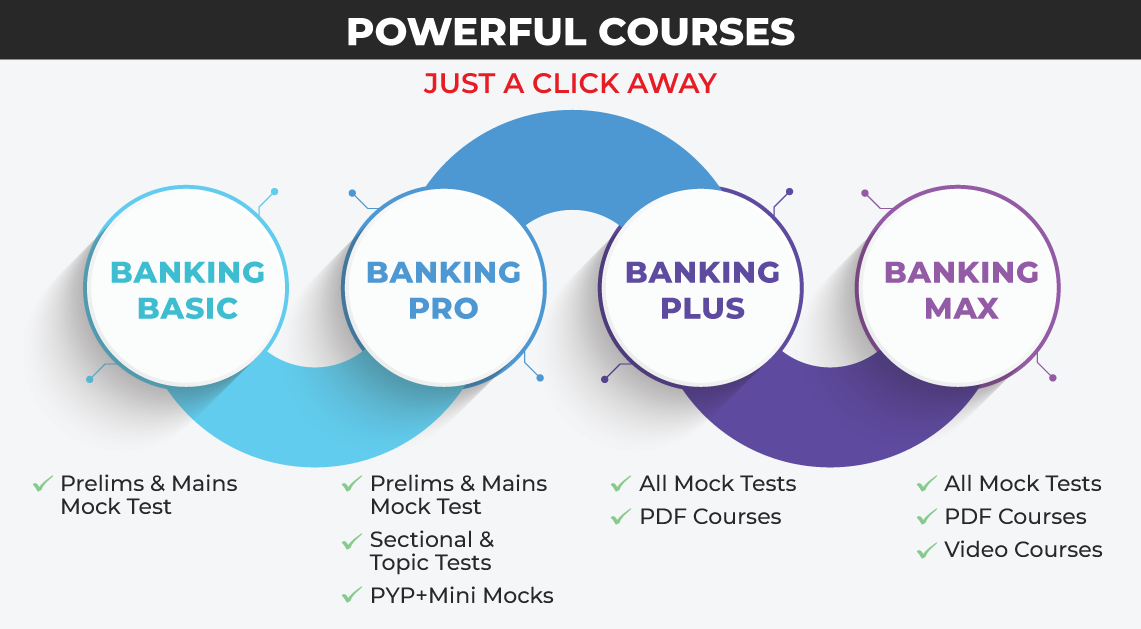
Our Banking Preparation Package includes topic tests, sectional tests, rank boosters for prelims, previous year paper tests, e-books, CA tests, Quizzes, live tests, PDF Course, and more. Discover our banking and insurance packages in detail from the link provided below!
Join our exclusive Telegram group, where our experts are ready to answer all your queries, guide you in banking exam preparation, and give personalised tips to boost your success. Get access to real-time solutions, expert advice, and valuable resources to improve your study journey.
FAQs
From September 22, 2025, services and most goods will shift to two principal GST slabs: 5 percent for essentials and merit goods, and 18 percent for the standard category.1 day ago
Maharashtra has the highest GST collection in India in 2025.
Previously, there were 5 core GST slabs in India, which have been reduced to two slabs now. The GST rate structure has been simplified to two slabs: 5% and 18%. Where 5% is for essential goods and 18% is for standard goods. However, 40% GST is applicable to luxury and Sin goods.
The GST threshold limit for 2025 is Rs 40 lakhs. It is Rs 20 lakhs in Special category states like Arunachal Pradesh, Manipur, Mizoram, Meghalaya, Sikkim, Tripura, Nagaland, and Uttarakhand.
GST rate is Nil (0%) on essential food items and dairy products.
New GST rate on TV and AC is 18%. Previously, it was 28%.
GST Council meetings decide the GST rates in India.
There are four types of GST in India which are Integrated Goods and Services Tax (IGST), State Goods and Services Tax (SGST), Central Goods and Services Tax (CGST), and Union Territory Goods and Services Tax (UTGST).
The concept was first proposed in 2000 by the Atal Bihari Vajpayee-led government. However, it was under the leadership of Prime Minister Narendra Modi and Finance Minister Arun Jaitley that GST was successfully implemented on 1st July 2017, marking a significant milestone in India’s tax reform history.
GST was first implemented in Assam.
The GST Bill (Goods and Services Tax Bill), officially known as the Constitution (101nd Amendment) Bill, 2016 is a comprehensive indirect tax on manufacture, sale and consumption of goods and services in India.
- Sign Up on Practicemock for Updated Current Affairs, Topic Tests and Mini Mocks
- Sign Up Here to Download Free Study Material
Free Mock Tests for the Upcoming Exams
- IBPS PO Free Mock Test
- RBI Grade B Free Mock Test
- IBPS SO Free Mock Test
- NABARD Grade A Free Mock Test
- SSC CGL Free Mock Test
- IBPS Clerk Free Mock Test
- IBPS RRB PO Free Mock Test
- IBPS RRB Clerk Free Mock Test
- RRB NTPC Free Mock Test
- SSC MTS Free Mock Test
- SSC Stenographer Free Mock Test
- GATE Mechanical Free Mock Test
- GATE Civil Free Mock Test
- RRB ALP Free Mock Test
- SSC CPO Free Mock Test
- AFCAT Free Mock Test
- SEBI Grade A Free Mock Test
- IFSCA Grade A Free Mock Test
- RRB JE Free Mock Test
- Free Banking Live Test
- Free SSC Live Test