


If you are preparing for SSC (CGL, CHSL, MTS) or Railway (RRB NTPC, Group D, ALP) exams, you already know that General Science is a highly important section. Inside this science section, Biology and Physics carry the maximum weightage. One topic that the Staff Selection Commission and Railway Recruitment Board love to ask in almost every shift is “Scientific Names and Discoveries.”
Many students, especially from a non-science background, get very scared when they see strange, long Latin names or a big list of foreign scientists. They feel like they have to memorize a heavy medical book! But here is a big secret: the examiner does not want you to be a scientist. They only ask about very common, daily-life items (like mango, frog, or human) and the most famous world-changing discoveries (like Vitamins or Penicillin).

In this blog, we have explained this topic in the simplest words possible. We have also gathered the top exam-level questions that repeat every single year.
What are Scientific Names & Discoveries? (Explained in Simple Words)
You do not need to have a science background to understand this. Let us break it down simply.
1. Scientific Names: Every plant and animal has a local name in different languages. A dog is called Kutta in Hindi and Nai in Tamil. This creates massive confusion for scientists. To fix this, scientists gave a fixed, two-word Latin name to every living thing. This name remains exactly the same all over the world.

- Example: The scientific name for Humans is Homo sapiens.
- What to study: You just need to learn the scientific names of common fruits (Mango, Apple), common animals (Frog, Cow, Tiger, Dog), and daily vegetables (Onion, Potato).
2. Scientific Discoveries: This part simply asks: “Who found what?”
- Example: Who found the cure for Polio? Who discovered the X-Ray machine? Who gave the concept of Blood Groups?
- What to study: Focus only on massive medical discoveries (like vaccines, blood, vitamins) and big physics inventions (like Bulb, Radio, Electron, Proton).
Important Questions for SSC & Railway Exams
Now that you know the basics, let us test your preparation! Grab a pen and try to solve these top highly repeated exam-level questions below. Do not forget to download your free PDF for more practice.
Q1. What is the scientific name of the National Fruit of India (Mango)?
(A) Pavo cristatus
(B) Mangifera indica
(C) Ficus benghalensis
(D) Nelumbo nucifera
Answer: (B) Mangifera indica
Explanation: Mango is the national fruit of India, and its scientific name is Mangifera indica. (Trick to remember: ‘Mangifera’ sounds exactly like Mango).
Q2. Who discovered the first antibiotic medicine, “Penicillin”?
(A) Louis Pasteur
(B) Edward Jenner
(C) Alexander Fleming
(D) Robert Hooke
Answer: (C) Alexander Fleming
Explanation: Alexander Fleming discovered Penicillin in 1928 from a fungus. This is one of the most repeated questions in Railway exams!
Q3. What is the scientific name of Human Beings?
(A) Homo sapiens
(B) Rana tigrina
(C) Felis catus
(D) Panthera leo
Answer: (A) Homo sapiens
Explanation: ‘Homo’ means human and ‘sapiens’ means wise. So, Homo sapiens means the “wise human.”
Q4. Who discovered the different Blood Groups (A, B, O, AB) in humans?
(A) William Harvey
(B) Karl Landsteiner
(C) Jonas Salk
(D) Gregor Mendel
Answer: (B) Karl Landsteiner
Explanation: Karl Landsteiner discovered the ABO blood group system. (Note: William Harvey discovered blood circulation, do not get confused).
Q5. The scientific name of the Indian Tiger is?
(A) Panthera leo
(B) Panthera tigris
(C) Bos indicus
(D) Canis lupus
Answer: (B) Panthera tigris
Explanation: The tiger is our national animal. Its scientific name is Panthera tigris. (Trick: ‘Tigris’ matches with Tiger. Panthera leo is the Lion).
Q6. Who introduced the term “Vitamin” to the world?
(A) Casimir Funk
(B) Robert Brown
(C) Anton van Leeuwenhoek
(D) Albert Einstein
Answer: (A) Casimir Funk
Explanation: The concept and the word “Vitamin” were first introduced by the scientist Casimir Funk in 1912.
Q7. What is the scientific name of the common Frog found in India?
(A) Columba livia
(B) Rana tigrina
(C) Macaca mulatta
(D) Naja naja
Answer: (B) Rana tigrina
Explanation: The Indian bullfrog, which we see during the rainy season, is scientifically called Rana tigrina.
Q8. The vaccine for “Polio” was discovered by which famous scientist?
(A) Ronald Ross
(B) Edward Jenner
(C) Jonas Salk
(D) Marie Curie
Answer: (C) Jonas Salk
Explanation: Dr. Jonas Salk developed the first successful polio vaccine. (Note: Edward Jenner discovered the Smallpox vaccine).
Q9. Which scientist is known as the “Father of Genetics” for his work on pea plants?
(A) Charles Darwin
(B) Gregor Mendel
(C) Thomas Edison
(D) Isaac Newton
Answer: (B) Gregor Mendel
Explanation: Gregor Mendel did famous experiments on pea plants (Pisum sativum) to show how traits pass from parents to children. He is the Father of Genetics.
Q10. The scientific name of the Indian Cobra (snake) is?
(A) Naja naja
(B) Pavo cristatus
(C) Felis catus
(D) Canis familiaris
Answer: (A) Naja naja
Explanation: The highly poisonous Indian Cobra is simply called Naja naja in scientific terms. (Pavo cristatus is the Peacock).
5 Simple Tips to Prepare This Topic
You do not need to mug up a huge medical dictionary. Just play smart. Here are 5 easy and practical tricks to master this topic quickly:
- Match the Sounds: Many scientific names sound exactly like their English names. Mango = Mangifera, Tiger = Panthera tigris, Camel = Camelus. Always look for the hidden English word inside the Latin name!
- Focus on the “National” Items: SSC loves asking about our national symbols. Learn the scientific names of the Tiger (National Animal), Peacock (National Bird), Banyan Tree (National Tree), and Lotus (National Flower) first.
- Make a 1-Page Chart for Scientists: Write the name of the scientist on the left and their discovery on the right. Stick it near your study table and read it for just 2 minutes every morning.
- Do Not Worry About Exact Spellings: The exam is Multiple Choice (MCQ). You do not have to write the exact spelling on paper. You just need to recognize the word when you see it in the 4 options.
- Practice Previous Year Papers (PYQs): The SSC and Railway boards rarely ask new science questions. They pick the same questions from the last 10 years. Practicing old papers is the golden key to scoring full marks.
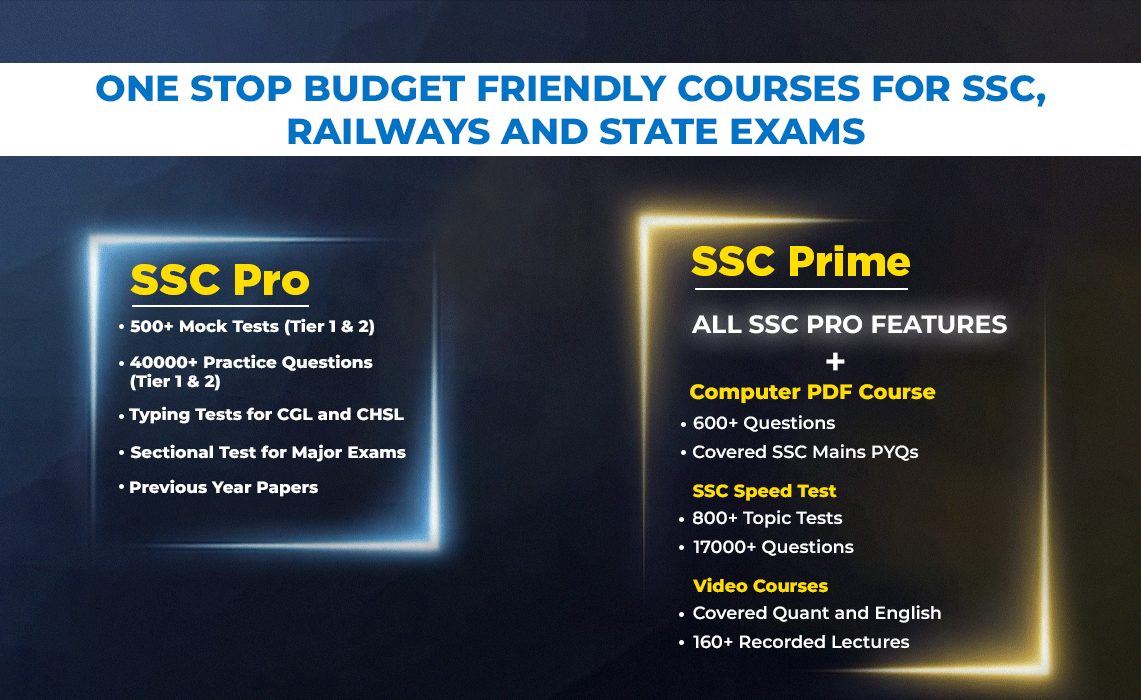
Join our exclusive Telegram group for expert guidance, personalized tips, and real-time solutions to boost your SSC exam prep. [Click here to join now!]
FAQs: Scientific Names & Discoveries for Exams
1. Is this topic very important for the RRB Group D and NTPC exams?
Yes, highly important! Railway exams have a heavy focus on General Science. You will easily see 1 to 2 direct questions from biological names or medical discoveries in every shift.
2. Do I need to memorize the scientific names of all animals and plants?
Absolutely not! You only need to learn about 20 to 25 common daily-life items (like cow, dog, cat, wheat, rice) and famous Indian symbols (like lotus, peacock).
3. Which book is best to study General Science for SSC?
You do not need expensive books. A simple summary book like Lucent’s General Knowledge or basic 9th and 10th-class NCERT notes are more than enough to get full marks.
4. How can I memorize the difficult names of foreign scientists?
Use visual memory and short tricks. For example, Alexander “Fleming” found Penicillin (imagine a flaming pill). Making funny stories in your mother tongue helps your brain remember things faster.
5. Is there a negative marking for wrong Science answers?
Yes. In all SSC and Railway exams, there is a strict negative marking (usually 1/3rd or 1/4th) for every wrong answer. Do not guess blindly if all 4 options look totally alien to you.
- Sign Up on Practicemock for Updated Current Affairs, Topic Tests and Mini Mocks
- Sign Up Here to Download Free Study Material
Free Mock Tests for the Upcoming Exams
- IBPS PO Free Mock Test
- RBI Grade B Free Mock Test
- IBPS SO Free Mock Test
- NABARD Grade A Free Mock Test
- SSC CGL Free Mock Test
- IBPS Clerk Free Mock Test
- IBPS RRB PO Free Mock Test
- IBPS RRB Clerk Free Mock Test
- RRB NTPC Free Mock Test
- SSC MTS Free Mock Test
- SSC Stenographer Free Mock Test
- GATE Mechanical Free Mock Test
- GATE Civil Free Mock Test
- RRB ALP Free Mock Test
- SSC CPO Free Mock Test
- AFCAT Free Mock Test
- SEBI Grade A Free Mock Test
- IFSCA Grade A Free Mock Test
- RRB JE Free Mock Test
- Free Banking Live Test
- Free SSC Live Test