


In the journey to crack competitive exams like SBI Clerk Mains, the notion of “perfect preparation” often comes in the minds of aspirants. However, perfect prep is a myth, aiming for flawless preparation can lead to unnecessary stress, wasted time, and even burnout. Instead, it’s about aiming smart, optimizing your efforts, and developing strategies that work for you to score well. This blog empowers aspirants with a practical, research-backed, and motivational guide to approaching SBI Clerk Mains with confidence and intelligence.
Why Perfect Prep is a Myth?
Perfect preparation, where every single topic is covered exhaustively with no weaknesses, is nearly impossible. The SBI Clerk Mains exam pattern, marked by varied difficulty levels, unpredictable questions, and time constraints, demands flexibility rather than rigidity. Many aspirants fall into the trap of trying to cover “everything” and end up with incomplete revision or stress. Focusing on perfection in all areas can be counterproductive. Instead, it’s vital to understand that smart targeting of strengths and manageable improvement in weak areas is a much better approach. Concentrate on topics with high scoring potential and practice accuracy to avoid negative marking.

Aim Smart: Strategies to Score Well
Smart strategies to score well in SBI Clerk Mains exam include understanding of the exam pattern, focusing on accuracy, time management, regular mock tests, and revision.

1. Go Through the Exam Pattern and Syllabus
Knowing what to expect reduces guesswork. SBI Clerk Mains consists of sections like Quantitative Aptitude, Reasoning, English Language, General Awareness, and Computer Aptitude. Each has its own weight and scoring trends. Prioritize topics where you can confidently attempt high accuracy questions. For example, arithmetic basics and data interpretation often carry significant marks if practiced well.
- The first step is to know the structure of the exam. SBI Clerk Mains typically includes:
- Quantitative Aptitude (Data Interpretation, Arithmetic, Simplification, Word Problems)
- Reasoning Ability & Computer Aptitude (Puzzles, Seating Arrangements, Coding-Decoding, Input-Output, Computer basics)
- English Language (Reading Comprehension, Cloze Test, Para Jumbles, Error Spotting)
- General/Financial Awareness (Banking awareness, Current Affairs, Static GK, Economy-related updates)
- Each section has a time limit and weightage, so you cannot switch freely between sections.
- Prioritize topics where you can maximize accuracy. For example:
- In Quant, Data Interpretation + Arithmetic basics often carry 50–60% of the marks.
- In Reasoning, Puzzles and Seating Arrangements dominate.
- A clear understanding of the syllabus reduces anxiety and helps you plan your preparation smartly.
2. Focus on Accuracy over Quantity
Since there is negative marking for wrong answers, aim for high accuracy rather than attempting more questions blindly. It’s better to answer fewer questions correctly than many questions with guesses.
- Remember: Negative marking is the cost for guesswork.
- It’s better to attempt 65–70% of the paper with 90% accuracy than to attempt everything with random guesses.
- Build accuracy by:
- Practicing topic-wise quizzes.
- Reviewing detailed solutions to understand logic.
- Maintaining an error log to track repeated mistakes.
- Accuracy is what separates a borderline score from a safe cutoff‑clearing score.
3. Time Management and Speed
Practicing with mock tests and sectional timers helps improve speed without sacrificing accuracy. Allocate fixed time slots to each section and stick to them in the exam.
- SBI Clerk Mains is a speed + accuracy game.
- Use sectional timers during practice to simulate exam conditions.
- Suggested time allocation (approximate):
- Quantitative Aptitude → 35 minutes
- Reasoning & Computer Aptitude → 45 minutes
- English Language → 30 minutes
- General Awareness → 25 minutes
- Don’t get stuck on one question. If it looks time‑consuming, mark it and move on.
- Practice mental calculation tricks, approximation, and elimination methods to save time.
4. Regular Mock Tests and Analysis
Practice tests simulate exam conditions and identify strong and weak areas. Review your mistakes and modify your prep accordingly. This adaptive preparation will boost confidence and performance.
- Take at least 1 to 2 full-length mock per week and 2 to 3 topic tests daily in the last month before the exam.
- After every mock:
- Analyze mistakes: Was it a conceptual error, a silly mistake, or a time‑management issue?
- Reattempt wrong questions without time pressure to reinforce learning.
- Track your accuracy % and attempt % over time.
- Mock tests also help you build exam stamina for a 2‑hour and 40 minutes paper.
5. Smart Revision
Instead of trying to cover new topics in the last days, focus on revising important formulas, shortcuts, vocabulary, and current affairs regularly. Consistent revision consolidates memory and aids quick recall during the exam.
- Consistent revision ensures that what you’ve learned stays fresh in memory and can be recalled instantly under exam pressure.
- In the final weeks, avoid starting brand‑new topics. Instead, revisit your notes.
- Revise important formulas, arithmetic shortcuts, and DI techniques.
- Go through high-frequency vocabulary words and grammar rules.
- Revise last 6 months of current affairs, with special focus on banking & economy news.
- Keep a one-page formula sheet and a GK capsule for quick revision.
Consistency Beats Hard Work
Staying Positive and Consistent during Exam preparation is as much a mental challenge as an academic one. The belief in “perfect prep” can lead to procrastination or discouragement. Here’s how consistency supports smart preparation:
- Set realistic goals: Break your syllabus into daily and weekly targets that are achievable.
- Keep a study routine: Consistency beats intensity in the long run.
- Visualize success: Positive mindset and confidence improve focus and reduce anxiety.
- Avoid distractions: Create a study environment that promotes concentration.
Conclusion
Anyone aspiring to clear SBI Clerk Mains should embrace the truth that perfect preparation is an unattainable ideal, but smart preparation is the key to success. By aiming smart, prioritizing accuracy, time management, strategic revision, and a positive mindset, aspirants can score well without unnecessary pressure.
Related Blogs:
| SBI Clerk Notification | SBI Clerk Exam Pattern |
| SBI Clerk Syllabus | SBI Clerk Salary |
| SBI Clerk Cut Off | SBI Clerk Previous Year Question Paper |
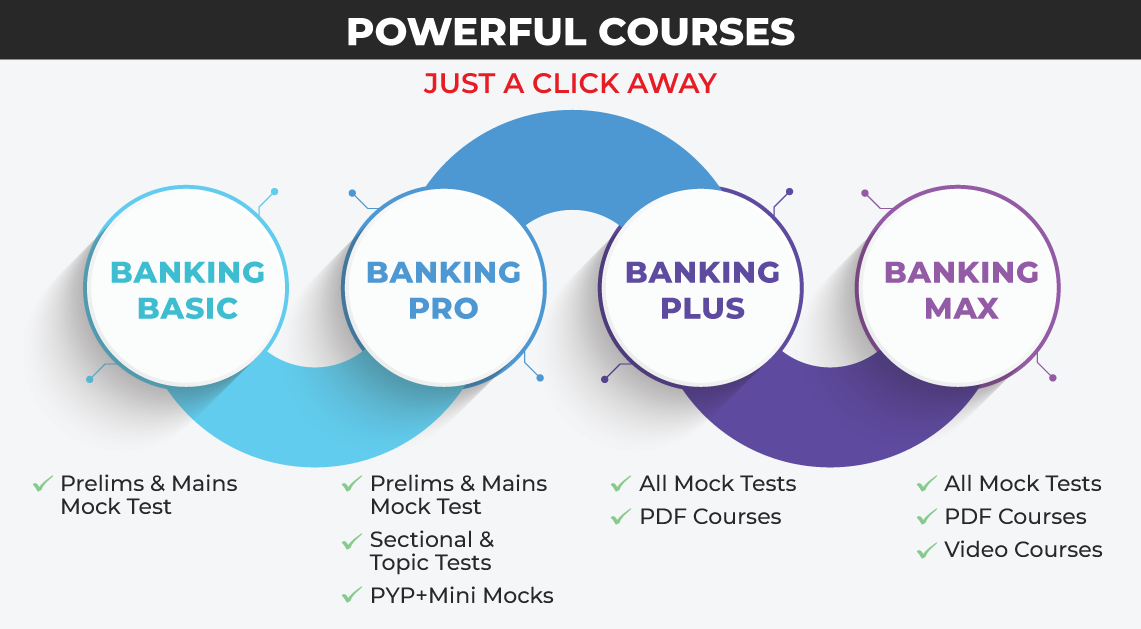
Our Banking Preparation Package includes topic tests, sectional tests, rank boosters for prelims, previous year paper tests, e-books, CA tests, Quizzes, live tests, PDF Course, and more. Discover our banking and insurance packages in detail from the link provided below!
Join our exclusive Telegram group, where our experts are ready to answer all your queries, guide you in banking exam preparation, and give personalised tips to boost your success. Get access to real-time solutions, expert advice, and valuable resources to improve your study journey.
FAQs
The exam duration for SBI Clerk mains is 2 hours and 40 minutes.
Yes, SBI Clerk mains exam has sectional timing.
The is no limit to the number of attempts as long as you meet the eligibility criteria.
The SBI Clerk Mains exam is considered to have of moderate difficulty level, but it depends on the individual’s preparation and their shift.
To effectively prepare for SBI Clerk Mains exam, thoroughly understand the syllabus and create a personalised study plan, and include PYPs and Mock Tests in your daily Prep schedule.
- Sign Up on Practicemock for Updated Current Affairs, Topic Tests and Mini Mocks
- Sign Up Here to Download Free Study Material
Free Mock Tests for the Upcoming Exams
- IBPS PO Free Mock Test
- RBI Grade B Free Mock Test
- IBPS SO Free Mock Test
- NABARD Grade A Free Mock Test
- SSC CGL Free Mock Test
- IBPS Clerk Free Mock Test
- IBPS RRB PO Free Mock Test
- IBPS RRB Clerk Free Mock Test
- RRB NTPC Free Mock Test
- SSC MTS Free Mock Test
- SSC Stenographer Free Mock Test
- GATE Mechanical Free Mock Test
- GATE Civil Free Mock Test
- RRB ALP Free Mock Test
- SSC CPO Free Mock Test
- AFCAT Free Mock Test
- SEBI Grade A Free Mock Test
- IFSCA Grade A Free Mock Test
- RRB JE Free Mock Test
- Free Banking Live Test
- Free SSC Live Test