


In India’s journey toward financial inclusion, the Aadhaar Enabled Payment System (AEPS) has emerged as a game-changer. Developed by the National Payments Corporation of India (NPCI), AEPS allows basic banking transactions using just an Aadhaar number and biometric authentication. For banking exam aspirants, understanding AEPS is crucial, not just as a current affairs topic but also as a core concept in digital banking and financial inclusion. Let’s understand more about AEPS system and solve MCQs based on this topic as given in this blog.
What is AEPS?
AEPS (Aadhaar Enabled Payment System) is a secure, bank-led model that enables customers to perform banking transactions through Micro ATMs using their Aadhaar number and fingerprint/iris scan. It eliminates the need for physical debit cards or signatures, making banking accessible in remote areas.

AEPS is governed under RBI’s Payment and Settlement Systems Act and NPCI guidelines.
RBI/NPCI have set per-transaction and daily limits (often ₹10,000 per transaction, though banks may set lower caps).
Key Features:
- Operated by NPCI
- Requires Aadhaar-linked bank account
- Uses biometric authentication
- Works through Business Correspondents (BCs) or Bank Mitras
- Supports interoperability across banks
How Does AEPS Work?
Here’s a step-by-step breakdown of the AEPS mechanism:
- Customer visits a BC/Micro ATM with an Aadhaar number.
- BC enters Aadhaar number and selects the bank.
- Biometric authentication (fingerprint/iris) is performed.
- Transaction request is sent to NPCI and routed to the bank.
- The bank verifies details and approves/rejects the transaction.
- Confirmation message is sent to BC and the customer.

Supported Transactions:
Check what transaction types are supported by AePS given below:
| Transaction Type | Description |
| Cash Withdrawal | Withdraw money from Aadhaar-linked account |
| Cash Deposit | Deposit money into Aadhaar-linked account |
| Balance Inquiry | Check account balance |
| Mini Statement | View last few transactions |
| Aadhaar to Aadhaar Fund Transfer | Transfer funds between Aadhaar-linked accounts |
Benefits of AEPS
The benefits of AEPS is given below:
- Promotes financial inclusion in rural and semi-urban areas
- Secure and paperless transactions
- No need for debit card or PIN
- Interoperable across banks
- Real-time processing via NPCI
AEPS in Banking Exams: Why it Matters
AEPS is frequently asked in:
- Current Affairs
- Banking Awareness
- Digital Banking & Financial Inclusion
- Government Schemes (e.g., PMJDY)
AEPS Based MCQs for Banking Exams
Q1. AEPS is operated by which organization?
- RBI
- NPCI
- NABARD
- UIDAI
Answer: B) NPCI
Explanation: AEPS is developed and managed by the National Payments Corporation of India.
Q2. Which of the following is NOT a service provided under AEPS?
- Cash Withdrawal
- Balance Inquiry
- Aadhaar to Aadhaar Fund Transfer
- Issuing Credit Cards
Answer: D) Issuing Credit Cards
Explanation: AEPS supports basic banking services only, not credit card issuance.
Q3. What is the minimum requirement for a customer to use AEPS?
- Debit card and PIN
- Aadhaar number linked with bank account
- Internet banking credentials
- Cheque book
Answer: B) Aadhaar number linked with bank account
Explanation: AEPS transactions are authenticated using Aadhaar and biometrics.
Q4. Which device is commonly used by Business Correspondents (BCs) to facilitate AEPS transactions?
- POS Machine
- Micro ATM
- Smartphone only
- ATM Kiosk
Answer: B) Micro ATM
Explanation: Micro ATMs with biometric scanners are used for AEPS transactions.
Q5. AEPS transactions are authenticated primarily through:
- OTP sent to mobile
- Biometric verification (fingerprint/iris)
- Debit card PIN
- Security questions
Answer: B) Biometric verification (fingerprint/iris)
Explanation: AEPS relies on Aadhaar-based biometric authentication.
Q6. Which of the following is a key benefit of AEPS?
- Requires internet access for customers
- Enables financial inclusion in rural areas
- Works only in urban ATMs
- Provides instant loans
Answer: B) Enables financial inclusion in rural areas
Explanation: AEPS allows banking access even in remote areas without ATMs.
Q7. If a customer wants to check account balance using AEPS, which of the following is mandatory?
- Aadhaar number and biometric authentication
- Debit card and PIN
- Internet banking password
- Cheque leaf
Answer: A) Aadhaar number and biometric authentication
Explanation: All AEPS services require Aadhaar-linked authentication.
Q8. Which of the following statements about AEPS is correct?
- AEPS is available only during banking hours.
- AEPS transactions can be done 24×7.
- AEPS requires both Aadhaar and PAN card.
- AEPS is managed by UIDAI.
Answer: B) AEPS transactions can be done 24×7.
Explanation: AEPS is interoperable and available round the clock.
Q9. Which of the following is mandatory for AEPS transactions?
- Aadhaar number linked with bank account
- PAN number
- Debit card
- Internet banking ID
Answer: A
Explanation: AEPS requires Aadhaar to be seeded with the bank account.
Q10. Who can act as a Business Correspondent (BC) for AEPS?
- Only bank employees
- Only RBI officials
- Individuals/retail agents appointed by banks
- Only government officers
Answer: C
Explanation: BCs are authorized retail agents appointed by banks to provide AEPS services.
Q11. Which of the following is NOT true about AEPS?
- It allows cash withdrawal.
- It requires biometric authentication.
- It can be used without linking Aadhaar to a bank account.
- It supports balance inquiry.
Answer: C
Explanation: Aadhaar must be linked to the bank account for AEPS to work.
Q12. AEPS transactions are processed through which switch?
- RuPay Switch
- NPCI Central Switch
- UPI Switch
- IMPS Switch
Answer: B
Explanation: AEPS transactions are routed through NPCI’s central switch.
Q13. Which of the following is a limitation of AEPS?
- Works only with Aadhaar-linked accounts
- Cannot be used for fund transfer
- Requires debit card PIN
- Available only in urban areas
Answer: A
Explanation: AEPS is Aadhaar-dependent; without Aadhaar seeding, it cannot be used.
Q14. Which of the following services is NOT available under AEPS?
- Mini statement
- Cash deposit
- Aadhaar to Aadhaar fund transfer
- Demand Draft issuance
Answer: D
Explanation: AEPS does not issue demand drafts.
Q15. Which of the following is the main objective of AEPS?
- To promote credit card usage
- To enable financial inclusion in rural areas
- To replace internet banking
- To promote foreign remittances
Answer: B
Explanation: AEPS was designed to provide banking access in rural/remote areas.
Q16. Which authentication factor is used in AEPS?
- Two-factor authentication with OTP and PIN
- Aadhaar number + biometric (fingerprint/iris)
- Debit card + CVV
- Username + password
Answer: B
Explanation: AEPS uses Aadhaar-based biometric authentication.
Q17. Which of the following is true about AEPS interoperability?
- Works only within the same bank
- Works across all Aadhaar-linked banks
- Works only with government banks
- Works only with private banks
Answer: B
Explanation: AEPS is interoperable across all Aadhaar-enabled banks.
Q18. Which of the following is the correct full form of AEPS?
- Aadhaar Enabled Payment System
- Aadhaar Electronic Payment Service
- Aadhaar Enrolled Payment Setup
- Aadhaar Enabled Processing System
Answer: A
Explanation: AEPS = Aadhaar Enabled Payment System.
Conclusion
AEPS is a cornerstone of India’s digital banking revolution. It empowers citizens, especially in underserved regions, to access banking services with ease. For banking aspirants, mastering AEPS means understanding both its technical framework and its socio-economic impact.
Know What Our Successful Aspirant Says…
Related Blogs:
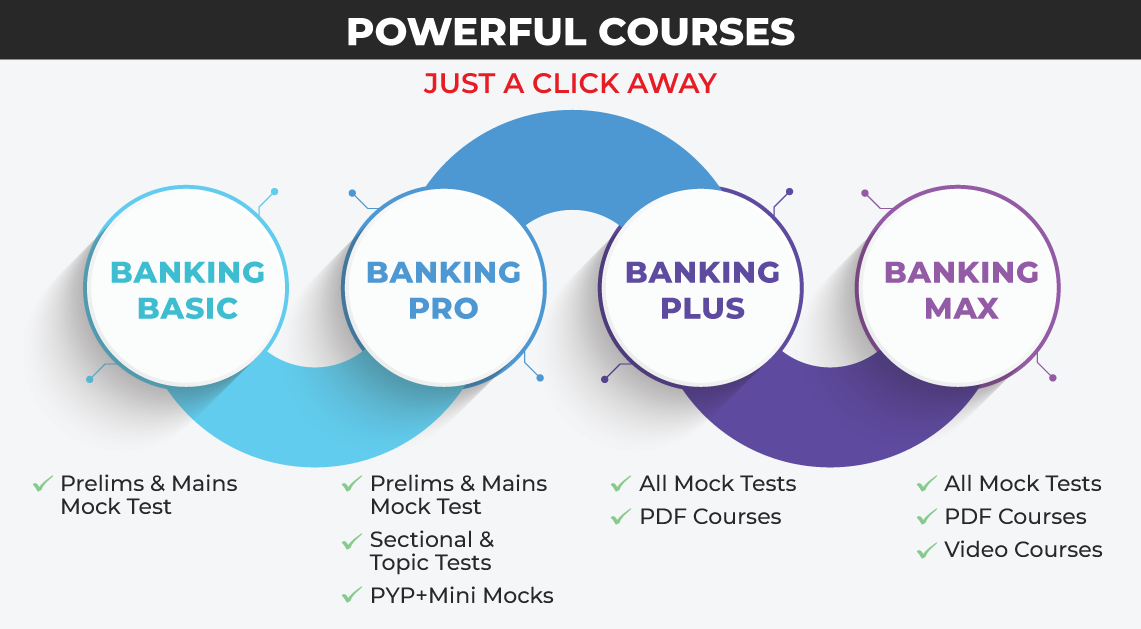
Our Banking Preparation Package includes topic tests, sectional tests, rank boosters for prelims, previous year paper tests, e-books, CA tests, Quizzes, live tests, PDF Course, and more. Discover our banking and insurance packages in detail from the link provided below!
Join our exclusive Telegram group, where our experts are ready to answer all your queries, guide you in banking exam preparation, and give personalised tips to boost your success. Get access to real-time solutions, expert advice, and valuable resources to improve your study journey.
FAQs on AEPS
Yes, AEPS services are available round the clock, subject to BC availability and system uptime.
No. AEPS requires your Aadhaar to be linked with your bank account.
A handheld device used by BCs to facilitate AEPS transactions using biometric authentication.
Yes. It uses biometric verification and is regulated by NPCI, ensuring secure transactions.
Yes, Aadhaar-to-Aadhaar fund transfers are supported.
- Sign Up on Practicemock for Updated Current Affairs, Topic Tests and Mini Mocks
- Sign Up Here to Download Free Study Material
Free Mock Tests for the Upcoming Exams
- IBPS PO Free Mock Test
- RBI Grade B Free Mock Test
- IBPS SO Free Mock Test
- NABARD Grade A Free Mock Test
- SSC CGL Free Mock Test
- IBPS Clerk Free Mock Test
- IBPS RRB PO Free Mock Test
- IBPS RRB Clerk Free Mock Test
- RRB NTPC Free Mock Test
- SSC MTS Free Mock Test
- SSC Stenographer Free Mock Test
- GATE Mechanical Free Mock Test
- GATE Civil Free Mock Test
- RRB ALP Free Mock Test
- SSC CPO Free Mock Test
- AFCAT Free Mock Test
- SEBI Grade A Free Mock Test
- IFSCA Grade A Free Mock Test
- RRB JE Free Mock Test
- Free Banking Live Test
- Free SSC Live Test