



For students preparing for banking and finance exams like IBPS, SBI, RBI, or RRB, understanding the Call Money Market is crucial. Questions often test your knowledge of how banks manage short-term funds, maintain liquidity, and stabilize the financial system. Since the Call Money Market directly reflects the day-to-day working of banks and the role of the RBI, it becomes a highly exam-relevant topic. A clear grasp of its meaning, features, and differences from the Capital Market not only helps in objective questions but also strengthens your conceptual base for interviews and descriptive answers.
What is the Call Money Market?
The Call Money Market is a part of the money market where banks and financial institutions borrow and lend money for a very short period (1 to 14 days).

- It is like a day-to-day loan market for banks.
- If one bank has extra funds, it lends to another bank that needs urgent cash.
- The interest charged on these loans is called the Call Rate.
In simple words: The Call Money Market helps banks manage their daily cash needs and maintain liquidity.
Features of the Call Money Market
The major features of a call money market is given below:
- Short-Term Loans: Duration is 1–14 days only.
- Participants: Mainly banks and financial institutions (not the general public).
- Highly Liquid: Money can be borrowed and repaid quickly.
- Unsecured: No collateral is required.
- Call Rate: Interest rate changes daily based on demand and supply.
- Regulated by RBI: In India, the Reserve Bank of India supervises it.

What is the Capital Market?
The Capital Market is where long-term funds are raised.
- Companies and governments raise money for expansion, projects, or infrastructure.
- It deals with shares, bonds, and debentures.
- Investors (including the public) can participate to earn returns.
In simple words, the Capital Market is for long-term investment and growth, unlike the Call Money Market, which is for short-term liquidity.
Difference Between Call Money Market & Capital Market
Check out the differences between call money market and capital market given below:
| Basis | Call Money Market | Capital Market |
| Time Frame | Very short-term (1–14 days) | Long-term (more than 1 year) |
| Participants | Banks & financial institutions | Companies, governments, and the public |
| Purpose | To manage daily liquidity needs | To raise funds for long-term projects |
| Instruments | Call loans, interbank lending | Shares, debentures, bonds |
| Risk | Low (short-term, liquid) | Higher (depends on market performance) |
| Regulation | Controlled by RBI | Controlled by SEBI (in India) |
Importance of These Markets
- Call Money Market: Keeps the banking system stable by ensuring banks always have access to short-term funds.
- Capital Market: Fuels economic growth by providing long-term funds for industries and infrastructure.
Together, they balance the financial system, one ensures daily liquidity, the other ensures long-term development.
Summary
The Call Money Market and Capital Market may sound similar, but they serve very different roles. One is like a short-term oxygen supply for banks, while the other is a long-term growth engine for the economy. For exam aspirants, mastering these concepts is a must, as they form the foundation of financial awareness.
Know What Our Successful Aspirant Says…

Related Blogs:
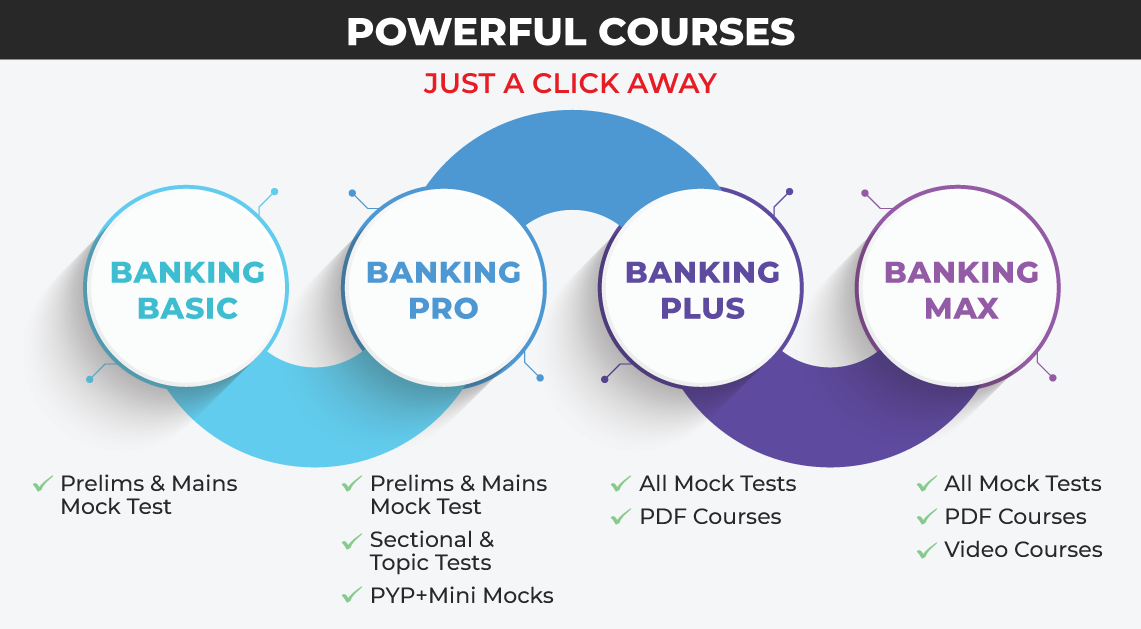
Our Banking Preparation Package includes topic tests, sectional tests, rank boosters for prelims, previous year paper tests, e-books, CA tests, Quizzes, live tests, PDF Course, and more. Discover our banking and insurance packages in detail from the link provided below!
Join our exclusive Telegram group, where our experts are ready to answer all your queries, guide you in banking exam preparation, and give personalised tips to boost your success. Get access to real-time solutions, expert advice, and valuable resources to improve your study journey.
FAQs
The Call Money Market is a place where banks and financial institutions borrow and lend money for a very short period (1–14 days) to meet their daily cash needs.
Only banks and financial institutions participate in the Call Money Market. The general public cannot directly take part in it.
Call money market is a short-term liquidity regulated by RBI, and capital market is a long-term liquidity regulated by SEBI.
The Call Rate is the interest rate charged on short-term loans in the Call Money Market. It changes daily depending on demand and supply of funds.
Because it shows how banks manage liquidity and how the RBI controls short-term money supply. Questions on this topic often appear in IBPS, SBI, RBI, and RRB exams under Banking Awareness and Financial Markets.
- Sign Up on Practicemock for Updated Current Affairs, Topic Tests and Mini Mocks
- Sign Up Here to Download Free Study Material
Free Mock Tests for the Upcoming Exams
- IBPS PO Free Mock Test
- RBI Grade B Free Mock Test
- IBPS SO Free Mock Test
- NABARD Grade A Free Mock Test
- SSC CGL Free Mock Test
- IBPS Clerk Free Mock Test
- IBPS RRB PO Free Mock Test
- IBPS RRB Clerk Free Mock Test
- RRB NTPC Free Mock Test
- SSC MTS Free Mock Test
- SSC Stenographer Free Mock Test
- GATE Mechanical Free Mock Test
- GATE Civil Free Mock Test
- RRB ALP Free Mock Test
- SSC CPO Free Mock Test
- AFCAT Free Mock Test
- SEBI Grade A Free Mock Test
- IFSCA Grade A Free Mock Test
- RRB JE Free Mock Test
- Free Banking Live Test
- Free SSC Live Test