


The Hindu Editorial Vocabulary is highly useful for Bank and SSC exams, especially for the English section. Regular reading improves vocabulary, comprehension, and grammar. Editorials contain high-quality language, idioms, phrasal verbs, and advanced vocabulary frequently asked in exams. Learning 10–15 new words daily and reading the summary of the passage from editorials helps in scoring better in Cloze Tests, Reading Comprehension, Fill in the Blanks, and Synonyms-Antonyms. It also boosts your confidence in descriptive writing and interviews. Consistent practice with these words, along with usage in sentences, enhances retention. Hence, the Hindu editorials serve as a rich and reliable source for English preparation in competitive exams.
Reading Comprehension passages are an integral part of the English section of government exams. However, for beginners, such passages can seem difficult. The Hindu Editorial is an excellent tool to improve the reading and understanding of passages. The language is very similar to the passages that generally appear in the English section of government exams, and each paragraph is filled with exam-relevant vocabulary and real-world topics. First, go through the vocabulary section and read the meanings of the words, their Hindi translations, synonyms, and antonyms. Then read the summary of the passage provided to you. Once you know the meanings of the words, read the passage carefully, and you will feel that it is much easier to understand the main idea and tone of the passage. This method not only improves the understanding of reading comprehension passages but also builds a strong vocabulary base for cloze tests and sentence fillers in the exam. Doing this every day will boost your confidence in the English section and help improve your scores in sections such as Reading Comprehension, Cloze Tests, and Sentence Fillers.
The Hindu Editorial 20th September 2025
Shifting sands: On the defence agreement between Saudi Arabia, Pakistan
India’s West Asia policy must maintain a strategic balance
The signing of a mutual defence agreement between Saudi Arabia and Pakistan, which declares that “any aggression … shall be considered an aggression against both”, is a moment of consequence for both countries as well as for West and South Asia. Saudi Arabia, the custodian of Islam’s two holiest mosques, and Pakistan, the Islamic world’s only nuclear power, have always enjoyed a special relationship. Pakistan has trained Saudi forces for decades, while the kingdom has provided generous financial assistance, including help for Islamabad’s nuclear programme. With the agreement, this partnership has now been institutionalised. Yet, its timing, announced a week after Israel bombed Qatar, underlines the shifting sands in the Persian Gulf’s security landscape. For decades, its monarchies relied on solid security guarantees from the U.S. But with the U.S. focus shifting away from West Asia, the durability of the old framework has come into question. When Saudi oil installations were attacked by Iranian allies in 2019, the U.S. did nothing. Israel’s attack on Qatar, which hosts America’s largest base in West Asia, seems to have expedited the realignment.
In the Abraham Accords, the U.S. tried to bring the Arab monarchies and Israel closer to build a common front against Iran. Four Arab countries, including the UAE, signed up, and Saudi Arabia was expected to follow. But the Hamas attack of October 7, 2023 and Israel’s Gaza war, which has spilled into other countries, have derailed the process. With the Pakistan agreement, Saudi Arabia is sending a clear signal to Washington and Tel Aviv that it is diversifying its security alliances. For Pakistan, which desperately needs Saudi financial assistance, closer defence ties at a time when Gulf monarchies are rattled by Israel’s unchecked militarism, are an opportunity to present itself as a security provider. For India, which fought with Pakistan in May, the agreement could complicate its manoeuvres in West Asia. As India has taken a pro-Israel tilt, Arab monarchies seem to be hedging their bets, even if that means overlooking India’s concerns. Yet, it is not clear whether the agreement offers Pakistan’s nuclear umbrella to Saudi Arabia or an immediate Saudi response if Pakistan comes under attack. Risks of entrapment come with the agreement: Pakistan could be dragged into West Asia’s polycrisis or Saudi Arabia could be pulled into the tensions in South and Central Asia. India must prepare for rapid changes in West Asia’s security order. It might be tempted to double down on its tilt towards an isolated, dangerous Israel. That would be a mistake. Instead, India’s long-term focus should be on promoting stability in the region, and maintaining a strategic balance among all pillars of its West Asia policy.
The Hindu Editorial 20th September 2025 Vocabulary
1. Shifting sands (idiom, noun phrase)
• Meaning: A situation that is unstable, changing, or uncertain
• Synonyms: volatility, instability, fluidity, unpredictability
• Antonyms: stability, certainty, firmness, permanence
2. Strategic (adjective)
• Meaning: Planned with long-term goals and careful consideration of advantages
• Synonyms: tactical, calculated, deliberate, prudent
• Antonyms: haphazard, careless, unplanned, shortsighted
3. Moment of consequence (noun phrase)
• Meaning: A significant or critical point in time with serious implications
• Synonyms: turning point, watershed, decisive moment, juncture
• Antonyms: triviality, insignificance, irrelevance, unimportance
4. Custodian (noun)
• Meaning: A protector or guardian responsible for something important
• Synonyms: guardian, keeper, steward, protector
• Antonyms: intruder, violator, defiler, destroyer
5. Generous (adjective)
• Meaning: Willing to give more than expected; liberal in support
• Synonyms: magnanimous, munificent, benevolent, charitable
• Antonyms: stingy, miserly, parsimonious, selfish
6. Institutionalised (verb, past participle / adjective)
• Meaning: Made official or formal through established systems or structures
• Synonyms: formalised, entrenched, established, codified
• Antonyms: abolished, dismantled, disbanded, informal
7. Underlines (verb)
• Meaning: Emphasises or highlights the importance of something
• Synonyms: underscores, stresses, accentuates, reinforces
• Antonyms: downplays, minimises, obscures, neglects
8. Relied on (phrasal verb)
• Meaning: Depended upon for support or security
• Synonyms: depended on, counted on, leaned on, trusted
• Antonyms: distrusted, ignored, disregarded, abandoned
9. Durability (noun)
• Meaning: The ability to last or withstand pressure over time
• Synonyms: endurance, longevity, resilience, permanence
• Antonyms: fragility, weakness, transience, impermanence
10. Come into question (idiom, verb phrase)
• Meaning: To be doubted or challenged
• Synonyms: be doubted, be disputed, be uncertain, be challenged
• Antonyms: be accepted, be certain, be unquestioned, be affirmed
11. Expedited (verb, past tense)
• Meaning: Made something happen faster or more quickly
• Synonyms: hastened, accelerated, facilitated, advanced
• Antonyms: delayed, hindered, obstructed, retarded
12. Common front (noun phrase)
• Meaning: A united stand or alliance against a shared opponent
• Synonyms: coalition, alliance, bloc, solidarity
• Antonyms: division, disunity, discord, fragmentation
13. Spilled into (phrasal verb)
• Meaning: Spread beyond its original boundaries into other areas
• Synonyms: extended to, spread over, overflowed into, expanded
• Antonyms: contained, confined, restricted, limited
14. Derailed (verb, past tense)
• Meaning: Thrown off course or disrupted
• Synonyms: disrupted, obstructed, thwarted, sabotaged
• Antonyms: advanced, facilitated, continued, sustained
15. Diversifying (verb, present participle)
• Meaning: Expanding into different options or directions to reduce risk
• Synonyms: varying, broadening, expanding, branching out
• Antonyms: narrowing, limiting, restricting, concentrating
16. Desperately (adverb)
• Meaning: With urgent need or extreme intensity
• Synonyms: urgently, frantically, intensely, pressingly
• Antonyms: calmly, easily, leisurely, effortlessly
17. Rattled (adjective/verb)
• Meaning: Disturbed or unsettled by something
• Synonyms: shaken, unnerved, agitated, perturbed
• Antonyms: composed, reassured, calmed, unfazed
18. Unchecked (adjective)
• Meaning: Not controlled or restrained
• Synonyms: uncontrolled, unrestrained, rampant, unregulated
• Antonyms: controlled, restrained, contained, regulated
19. Complicate (verb)
• Meaning: To make something more difficult or complex
• Synonyms: hinder, obstruct, entangle, convolute
• Antonyms: simplify, ease, facilitate, streamline
20. Manoeuvres (noun, plural)
• Meaning: Careful or skilful movements, actions, or strategies
• Synonyms: tactics, strategies, operations, schemes
• Antonyms: blunders, mishandling, missteps, mistakes
21. Hedging their bets (idiom, verb phrase)
• Meaning: Protecting against loss by supporting multiple sides
• Synonyms: playing safe, safeguarding, covering all bases, insuring
• Antonyms: risking, committing fully, exposing, wagering blindly
22. Overlooking (verb, present participle)
• Meaning: Ignoring or failing to notice
• Synonyms: disregarding, neglecting, ignoring, condoning
• Antonyms: noticing, observing, attending to, addressing
23. Entrapment (noun)
• Meaning: Being caught in a difficult or dangerous situation
• Synonyms: capture, ensnarement, entanglement, confinement
• Antonyms: liberation, release, freedom, escape
24. Tempted (verb, past participle)
• Meaning: Attracted or persuaded to do something
• Synonyms: lured, enticed, persuaded, inclined
• Antonyms: dissuaded, deterred, repelled, restrained
25. Double down (phrasal verb)
• Meaning: To increase commitment or effort in a risky position
• Synonyms: reinforce, intensify, strengthen, redouble
• Antonyms: withdraw, retreat, reduce, soften
26. Isolated (adjective)
• Meaning: Separated from others, lacking support or connection
• Synonyms: detached, cut off, marginalised, sequestered
• Antonyms: connected, integrated, allied, supported
Formal Summary for Bank Mains Descriptive Practice:
Saudi Arabia and Pakistan have signed a mutual defence agreement that declares any attack on one will be considered an attack on both. This institutionalises their long-standing partnership, with Pakistan having trained Saudi forces for decades and Saudi Arabia having extended financial and nuclear support. The timing highlights the shifting security dynamics in West Asia, especially as U.S. commitment to the region appears uncertain. The U.S.-led Abraham Accords attempted to align Arab monarchies with Israel against Iran, but the Hamas attack of October 2023 and the subsequent Gaza war disrupted the process. By strengthening ties with Pakistan, Saudi Arabia is signalling diversification of its security partnerships. For Pakistan, the agreement opens doors for financial aid and a role as a security provider. For India, however, the pact may complicate relations in West Asia, particularly as it has tilted towards Israel. The agreement also carries risks of both nations being drawn into regional or cross-regional conflicts, requiring India to adopt a balanced and cautious approach.
Student-Friendly Summary for Understanding:
Saudi Arabia and Pakistan have signed a defence agreement saying that an attack on one will be treated as an attack on both. Their ties are not new—Pakistan has long trained Saudi soldiers, while Saudi Arabia has given money and even helped Pakistan’s nuclear programme. The agreement comes at a time when the U.S. role in the Gulf is weakening, and countries are looking for new security partners. Earlier, the U.S. tried to bring Arab nations and Israel together through the Abraham Accords, but the Gaza war disrupted that plan. For Saudi Arabia, this pact with Pakistan shows it wants to diversify alliances. For Pakistan, it brings financial help and a bigger role in security. However, the deal may drag either country into wider conflicts. For India, which has leaned towards Israel, it creates challenges in keeping the balance in West Asia.
The Hindu Editorial 20th September 2025 – Tone Analysis
1. Analytical – The passage examines the implications of the defence agreement, looking at how it reshapes security equations in West Asia and South Asia.
2. Cautionary – It warns about the risks of entrapment for both Saudi Arabia and Pakistan, as well as the potential complications for India if it doubles down on its Israel tilt.
3. Strategic/Geopolitical – The tone focuses on power balances, alliances, and regional manoeuvres, rather than on moral or emotional appeals.
4. Critical – There is a critical undercurrent toward U.S. disengagement, Israel’s unchecked militarism, and India’s growing tilt towards Israel, suggesting these may lead to instability.
5. Neutral-Informative – Despite highlighting risks, the passage remains descriptive and fact-based, presenting events and consequences without overt bias.
Most expected essays for 2025 descriptive exams:
Topic: Addressing the Challenges and Harnessing the Opportunities of India’s Growing Population for Economic Development
India’s growing population presents a complex picture of challenges and opportunities for its economic development. While a large population can be a burden on resources and infrastructure, it can also be the country’s greatest asset if effectively harnessed. India is currently experiencing a “demographic dividend,” with a large proportion of its population in the working-age group. This offers a unique chance to accelerate economic growth and emerge as a global powerhouse.
The primary challenge lies in converting this demographic dividend into a productive workforce. High rates of unemployment and underemployment, particularly among the youth, indicate a significant skills gap. The pressure on limited resources like water, land, and energy, combined with strains on public services like education and healthcare, poses a major hurdle. Rapid urbanisation also leads to issues of poverty, sanitation, and overcrowding in cities.
However, these challenges are intertwined with immense opportunities. The large population creates a vast domestic market, driving consumption and attracting foreign investment. The youthful demographic provides a dynamic, innovative, and adaptable workforce that can fuel growth in sectors like technology, manufacturing, and services. The government’s initiatives, like Skill India and Digital India, are crucial steps towards equipping this population with the necessary skills and leveraging technology for inclusive growth.
To capitalise on this potential, India must invest heavily in human capital by improving access to quality education and vocational training. Creating a business-friendly environment to foster entrepreneurship and job creation is also essential. By transforming its large population from a liability into a productive asset, India can achieve sustainable and inclusive economic development.
Exam Hall Approach For Descriptive Writing
1. Read the topic carefully – Understand what exactly is being asked (cause, effect, solution?).
2. Spend 3–4 mins planning – Jot down 3 key points for the body (intro → 3 points → conclusion).
3. Write 1–2 lines introduction – Direct, relevant, no quotes or fluff.
4. Develop each point in 3–4 lines – One idea per paragraph.
5. Conclude with a positive, forward-looking line – Shows analytical maturity.
Things to Keep in Mind
1. Stick to the word limit.
2. Use simple, formal English – No fancy vocabulary unless sure of meaning.
3. Stick to facts/examples briefly – Do not over-explain.
4. Maintain a neutral tone – IBPS expects analysis, not emotional or biased writing.
Banking Exams Free Mock Test
| IBPS RRB PO Free Mock Test | IBPS PO Free Mock Test |
| SBI PO Free Mock Test | IBPS SO Free Mock Test |
| IBPS RRB Clerk Free Mock Test | IBPS Clerk Free Mock Test |
Join our exclusive Telegram group, where our experts are ready to answer all your queries, guide you in banking exam preparation, and give personalised tips to boost your success. Get access to real-time solutions, expert advice, and valuable resources to improve your study journey.
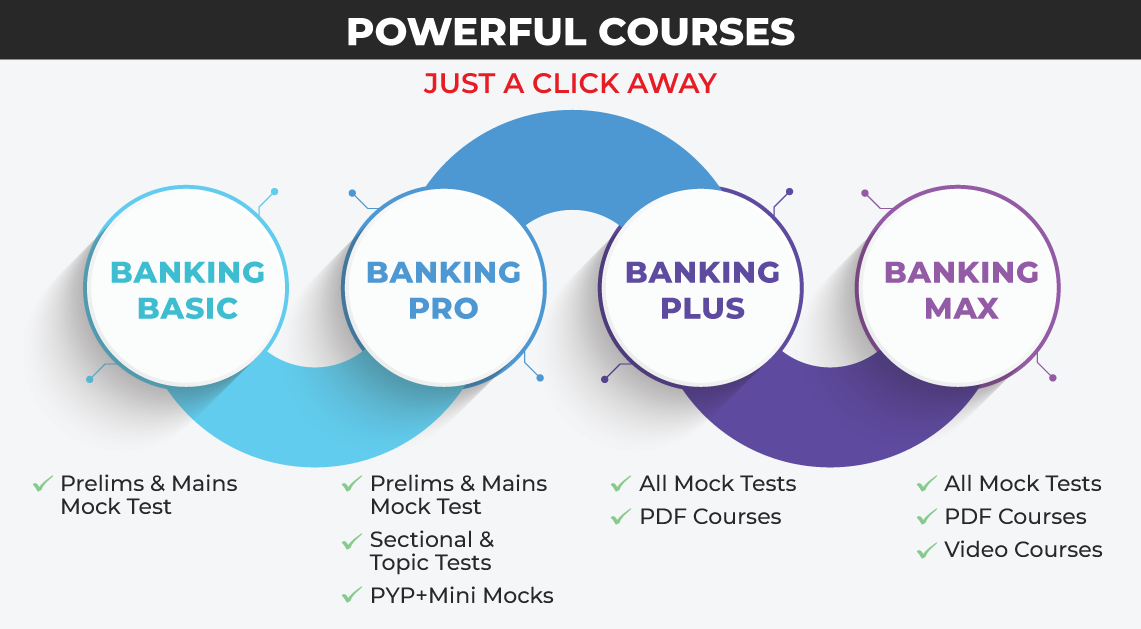
Our Banking Preparation Package includes topic tests, sectional tests, rank boosters for prelims, previous year paper tests, e-books, CA tests, Quizzes, live tests, PDF Course, and more. Discover our banking and insurance packages in detail from the link provided below!
- Sign Up on Practicemock for Updated Current Affairs, Topic Tests and Mini Mocks
- Sign Up Here to Download Free Study Material
Free Mock Tests for the Upcoming Exams
- IBPS PO Free Mock Test
- RBI Grade B Free Mock Test
- IBPS SO Free Mock Test
- NABARD Grade A Free Mock Test
- SSC CGL Free Mock Test
- IBPS Clerk Free Mock Test
- IBPS RRB PO Free Mock Test
- IBPS RRB Clerk Free Mock Test
- RRB NTPC Free Mock Test
- SSC MTS Free Mock Test
- SSC Stenographer Free Mock Test
- GATE Mechanical Free Mock Test
- GATE Civil Free Mock Test
- RRB ALP Free Mock Test
- SSC CPO Free Mock Test
- AFCAT Free Mock Test
- SEBI Grade A Free Mock Test
- IFSCA Grade A Free Mock Test
- RRB JE Free Mock Test
- Free Banking Live Test
- Free SSC Live Test